A fresh take on cantaloupe
One of the pleasures of summertime is sinking your teeth into a sweet, juicy melon, and cantaloupe stands out from the crowd for more than just its unusual name.
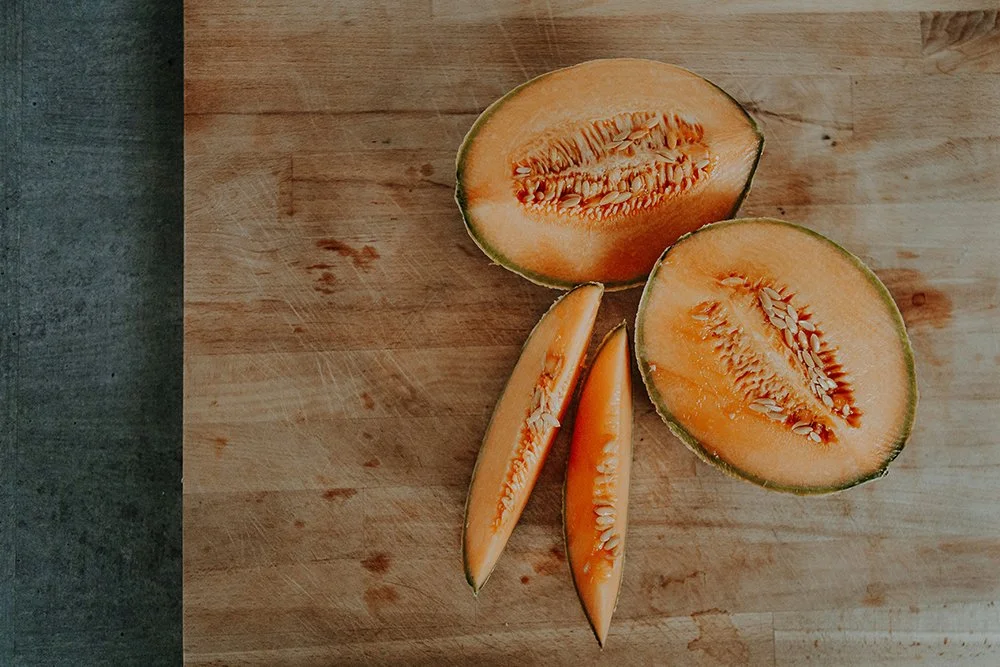
The name itself dates back to the 15th century, and came about as the result of a quirky set of circumstances. Cantalupo was the name of a papal estate outside Rome at the time, so-called because it was a place where wolves frequently gathered to howl at night. Cantalupo means ‘singing wolf’ from the Italian cantare, to sing, and lupo, wolf. During the Renaissance, melon seeds were brought there from Armenia, and Pope Paul II became so obsessed with the fruit that Cantalupo became the first place in Europe to cultivate it. The melon soon became so popular that it took on the name of the town and the Pope’s chef even produced a cookbook recommending that it be eaten as an appetizer. According to legend, Pope Paul II finally died after indulging in too many cantaloupes.
Today, these melons are grown primarily in California, followed by Arizona and Texas, with summer being peak harvesting season. Unlike other fruit, cantaloupe does not ripen after being picked from the vine, so if you think it will get sweeter if left on the countertop for a day or two, think again. Because of this, you should always make a point of smelling a cantaloupe before buying it; if it has a sweet, musky aroma, it was harvested at peak ripeness.
But, a word of caution! The surface can contain harmful bacteria, like salmonella, so it’s a good idea to wash and scrub these melons before cutting and eating them.
Cantaloupes are versatile and offer a wide range of culinary uses, from sweet treats to savory pairings. Having been adopted by Italy way back in the 15th century, it’s no surprise to find them prominently featured in that country’s cuisine. For chef Joseph Wrede there is also a personal connection, because his grandparents were Italian, and his mother loved to cook the classic dishes she herself had grown up with. “One of my favorites was pasta al melone,” he recalls. “The combination of sweet cantaloupe and savory prosciutto, in a creamy sauce with black pepper added, was so delicious and to me, so sophisticated, that it made me especially proud of my Italian heritage.”
Joseph now makes a point of featuring that dish on his restaurant menu, but only for a limited time, because cantaloupes are at their very best in mid-summer. To be sure not to miss out on this special treat, make a point of coming by sometime in August. And if you love it, and want to have a shot at making it yourself, the recipe is included below.
Not only do cantaloupes taste good, the orange flesh is also a nutritional powerhouse, packed with antioxidants, most notably beta-carotene (which the body converts into vitamin A) and vitamin C. Just one cup of diced melon provides nearly 100% of your daily recommended intake for these vitamins, together with some powerful antioxidants. And don’t throw away the seeds! Dried and lightly roasted, cantaloupe seeds make a fantastic, nutritious snack. Packed with protein, fiber, healthy fats and minerals, they are a great alternative to pumpkin seeds.
As for its potential benefits beyond nutrition, the 2026 edition of the Witch’s Almanac suggests the following: ‘Placing six dried cantaloupe seeds under your pillow will help to ward off bad dreams.’ Also, ‘Rubbing the rind of cantaloupe on afflicted skin under a full moon will help rid oneself of warts and blemishes.’ Who knew?
Whether you eat, blend, purée, or freeze it, or decide to experiment with the witch’s suggestions, cantaloupe clearly has a lot to offer, from the outer rind to the seeds themselves. So make the most of it while the season is here, and have some fun at the same time!
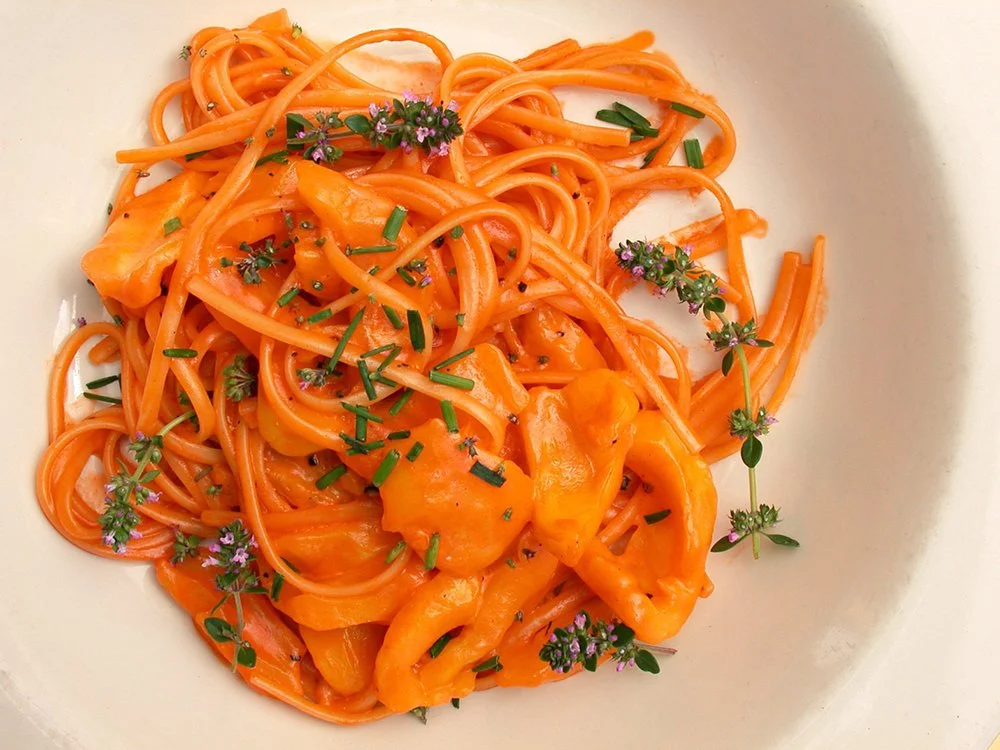
Photo by Sharon Stewart
Pasta al Melone
Serves 4
Ingredients
6oz. dried fettuccine or linguine
3 tbsp. butter
2 tbsp. Italian tomato paste
1 whole lemon
1 cup heavy cream
1 tsp. kosher salt
14 oz. cantaloupe melon, diced
1/4 cup Parmigiano Reggiano
cracked black pepper to taste
roughly chopped fresh mint
Method:
Bring a large saucepan of salted water to a boil, add pasta and cook until al dente (about 9 minutes.)
Put butter in a 12-inch sauté pan over medium heat until butter foams. Add tomato paste and stir until it breaks up, allowing it to toast a bit.
Strain lemon juice from lemon into pan and turn the heat up high. Add cream and whisk until smooth (it will be the color of lobster.) Add salt.
Add cantaloupe to sauce. Drain pasta and add to sauce. Stir for a minute or two to warm the melon and stir in cheese and pepper.
Serve sprinkled with mint, parsley and thyme. Chive flowers add a nice touch.