Believe it or not, New Mexico is lamb country!
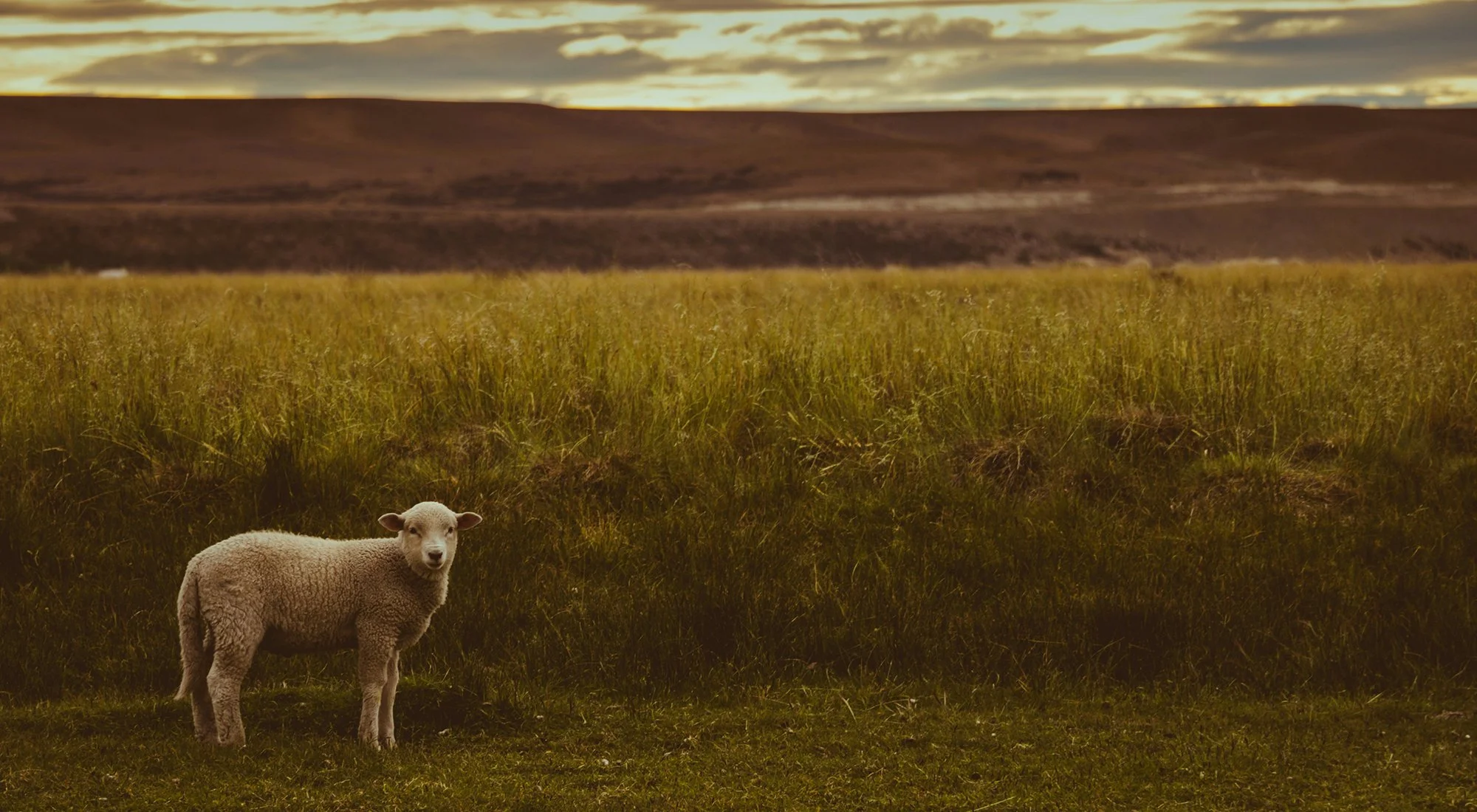
As we all know, many places around the country are associated with particular foods; Maine with lobster; Texas with steak; Idaho with potatoes; Wisconsin with cheese... you get the idea. These connections arise primarily because of the proximity of the source: oceans, bush, trees, grasslands, vines, etc. This has been a cause of frustration for chef Joseph Wrede for many years, because, as he explains, “Here I am, in a town with a sophisticated palate, coupled with limited food resources.” In spite of its famous chile, Santa Fe is, after all, a desert town at an altitude of 7,000 feet. It finally occurred to him that lamb is to New Mexico what cow is to Texas.
The story of sheep in New Mexico began in the 1500s, when the churro, a hardy breed of sheep, was brought here by Spanish explorers. Valued for its meat, as well as its long, dense wool, which was easy to spin and weave, and took natural dyes well, the sheep became extremely popular. The animals were also a good fit for the local environment, grazing on sagebrush and requiring minimal water. Interestingly, the Navajo people adopted the churro as their own, and that wool is still used today to make Navajo blankets and rugs.
Until the rush of cattlemen into the region after the Civil War, sheep dominated the agricultural economy. They fed, clothed, and supported the people, and by the early 20th century northern New Mexico was a global leader in lamb exports. Then along came the railroads, and everything changed.
In spite of the fact that cows face particular challenges in New Mexico due to severe drought, extreme heat, and limited water availability, cattle soon gained prominence in the region, and sheep-herding declined. The rise of synthetic fabrics that followed the second world war also contributed to that decline.
Fortunately for chef Joseph Wrede, family-owned farms close to home are able to supply the lamb he needs for his restaurant. “The less time products spend on the road, the better they taste and the more nutritious they are,” he points out, “and it’s obviously better for the environment as well.” Lamb is also available year-round, and buying local reflects his commitment to support small farms.
Due to a combination of high costs, limited availability in supermarkets, and a historical preference for beef and pork, Americans tend to eat relatively little lamb. However, it is becoming increasingly popular on restaurant menus, especially for fine dining, driven by a demand for versatile, high quality, grass-fed options.
The fact that Joseph’s menu includes several lamb-based dishes proves the point, and being close to the source means the meat is so fresh that he was inspired to create an original appetizer featuring lamb tartare, with cured egg yolk, capers, shallots, mustard parsley emulsion and house made chips. “It has a great taste,” he says, “and so much more character than beef.”
So the next time you’re dining at Joseph’s Culinary Pub and feel like taking your palate on a culinary adventure, check out the lamb tartare appetizer. You won’t find it anywhere else, that’s for sure!
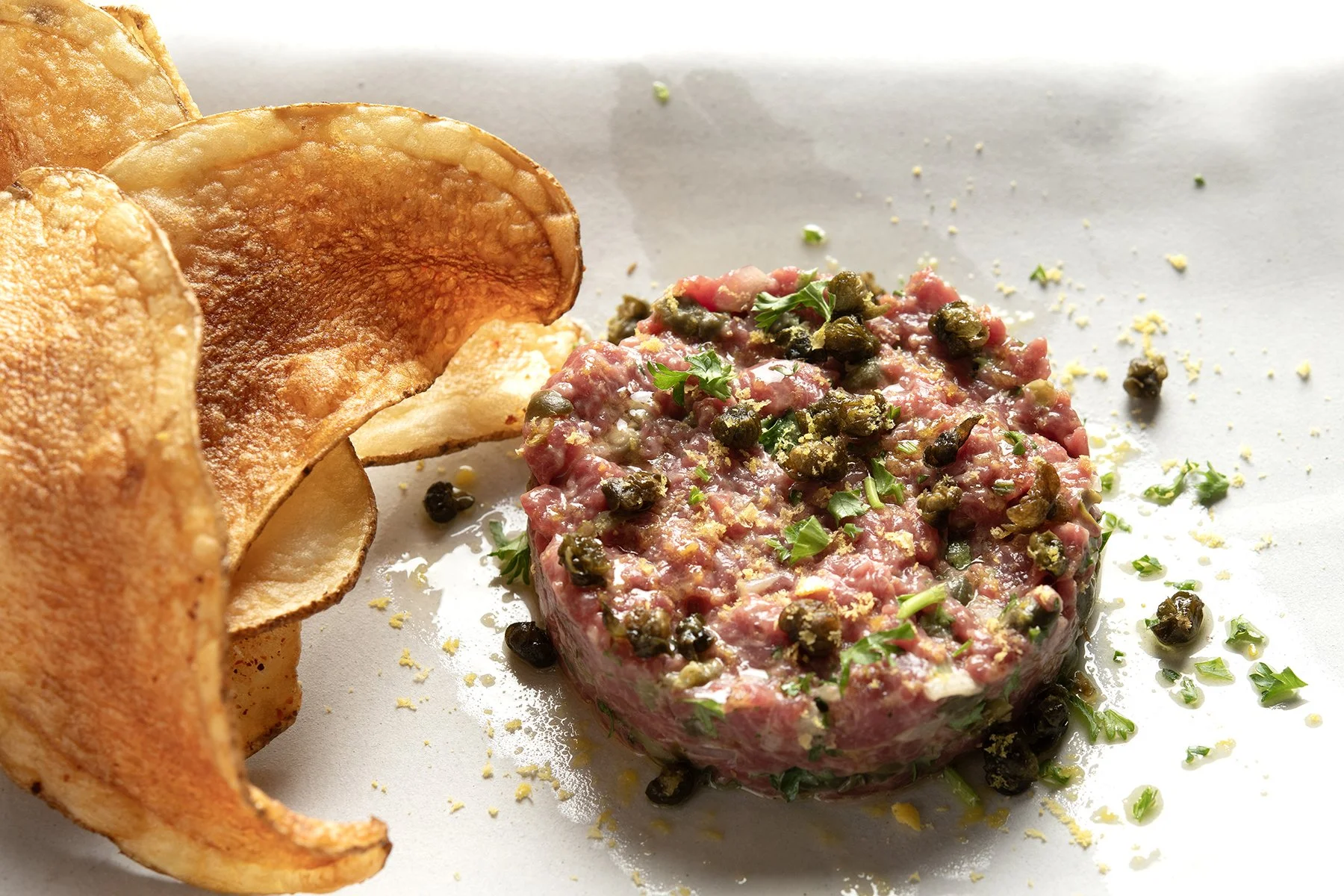
Lamb Tartare, Cured Egg Yolk, Crispy Capers, Homemade Potato Chips
Serves 3
Ingredients
¾ pound lamb top round, finely chopped (minced)
½ shallot, diced
½ cup finely chopped parsley and mint
1 egg yolk (see recipe below for curing)
sea salt
¼ cup capers, fried
¼ cup mustard seed pickle (recipe below)
3 tbsp. olive oil
salt & pepper
To start: cured egg yolk:
Ingredients:
1 egg yolk
sea salt
Method:
Separate white from yolk. Place yolk in bowl and cover with salt. Cover bowl with plastic wrap and store in cool place for three days. Whip away salt, and place hardened yolk in dehydrator at 160 degrees overnight.
Mustard Seed Pickle (makes 1 quart)
Stores for 1 month, refrigerated in airtight jar
Ingredients:
1 quart apple cider vinegar
1 quart sugar
8 oz. mustard seeds
4 oz. shallots, peeled and chopped
4 oz. leeks, chopped
Method:
In saucepan, add vinegar and sugar, and over medium/high heat dissolve sugar into vinegar. Add remaining ingredients and simmer for 25 minutes.
To Finish: Preheat fryer to 350 degrees. Drain capers in fine mesh strainer, tapping off moisture. Lower into hot oil and fry for 3 minutes, or until capers blossom. Drain, pat dry, and place half of capers in mixing bowl.
Place lamb on cutting board and finely chop. Add lamb to mixing bowl with capers. Add finely diced shallots, mustard seed pickle, fresh herb mixture and olive oil, and mix all together. Add tablespoon each of salt and pepper to taste.
To Plate: Divide tartare into 3 portions. Using a micro plane, grate cured egg yolk across the top. Garnish by sprinkling with remaining fried capers, and serve with potato chips.